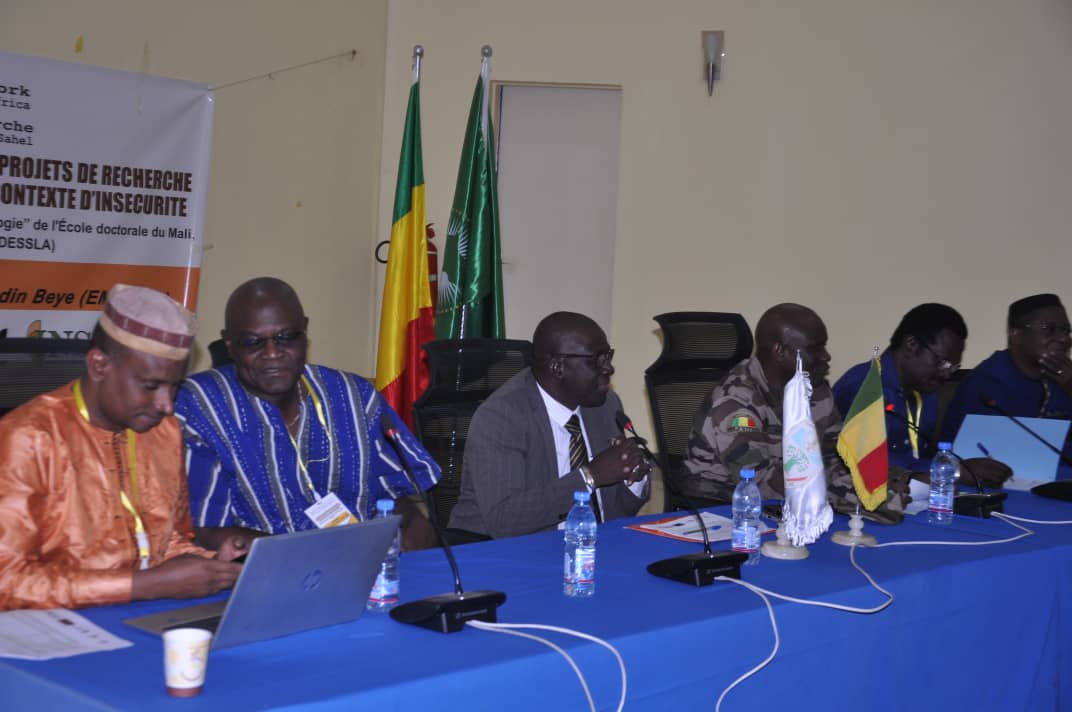
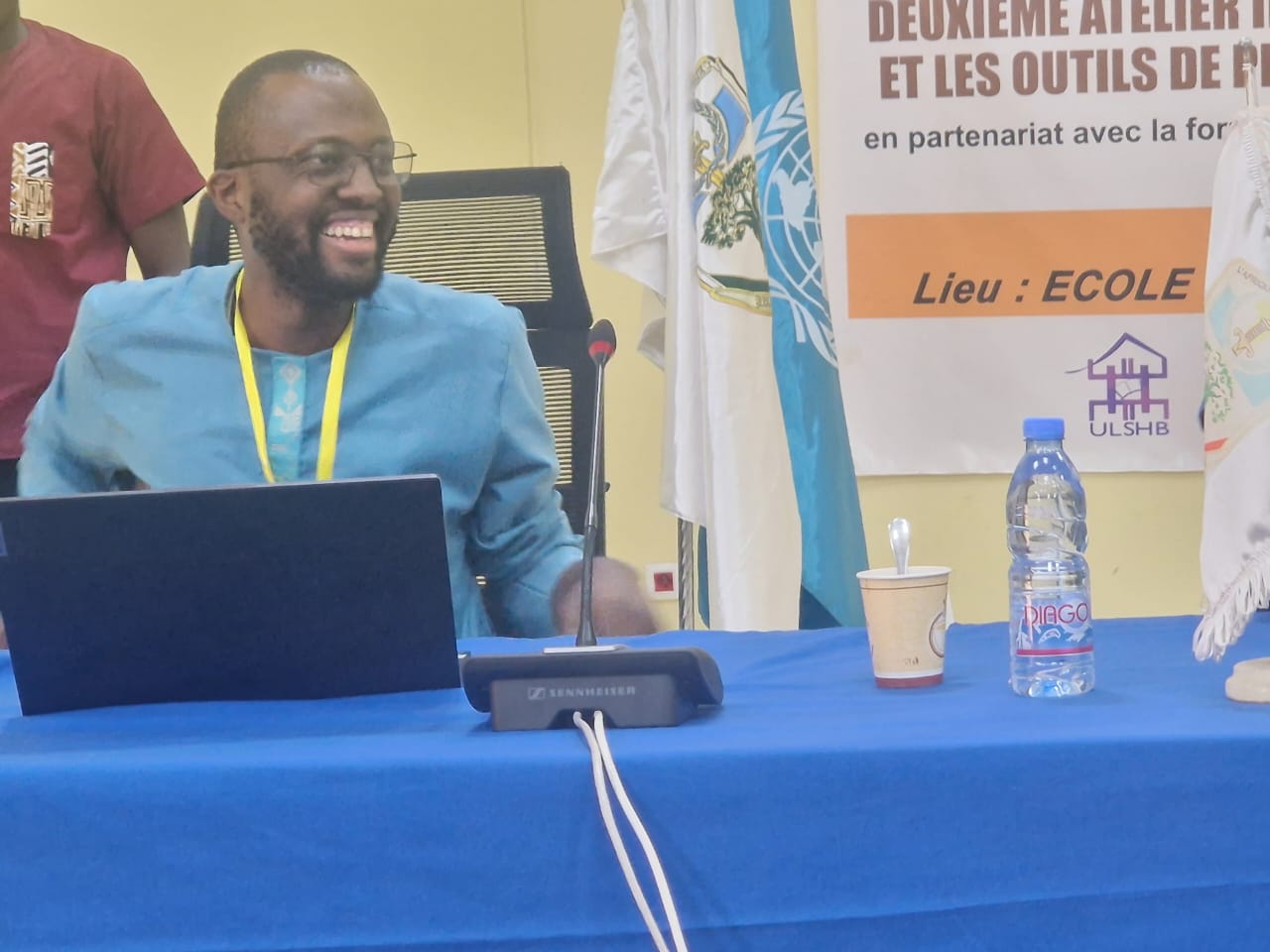
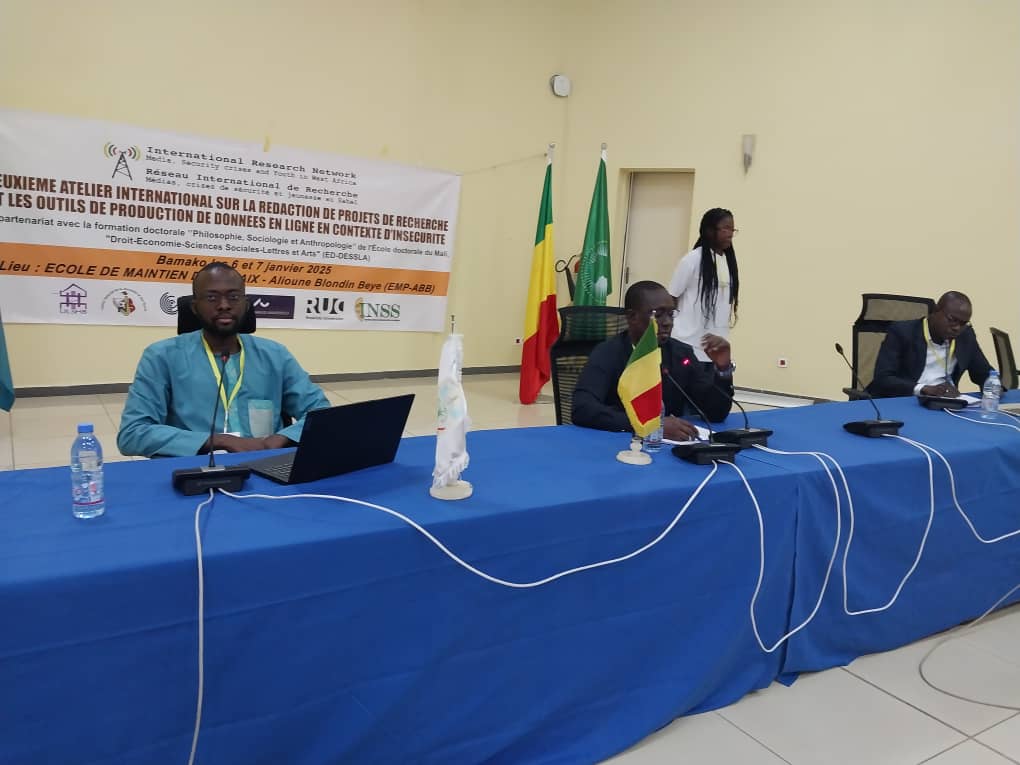
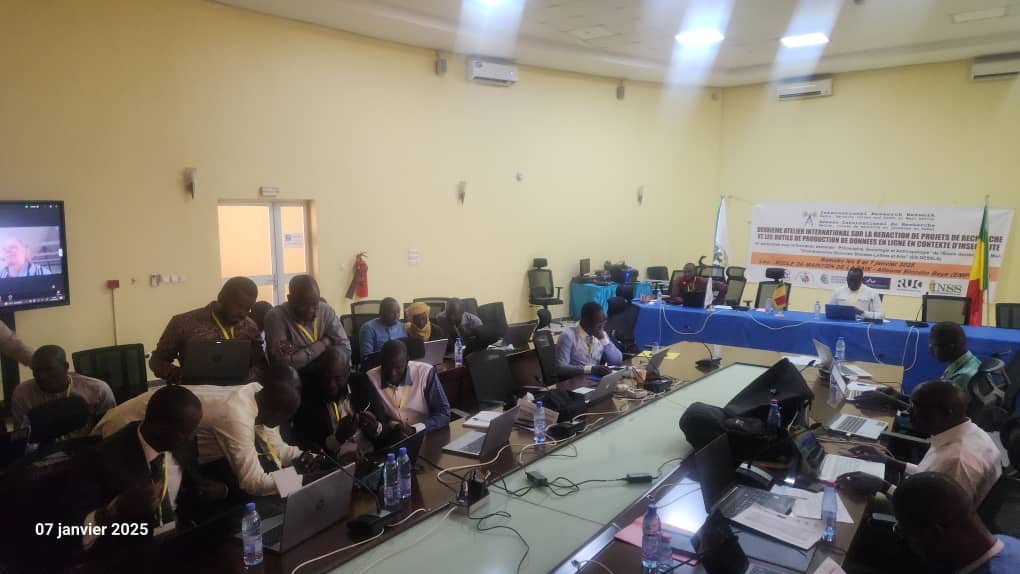
On 6-7 January 2025, I had the honour of facilitating the second international workshop on research project writing and online data-production tools in insecure contexts, held in Bamako. Following the success of the first workshop in Ouagadougou, this event marked another step in equipping researchers with practical skills for working in demanding environments across the Sahel.
Highlights
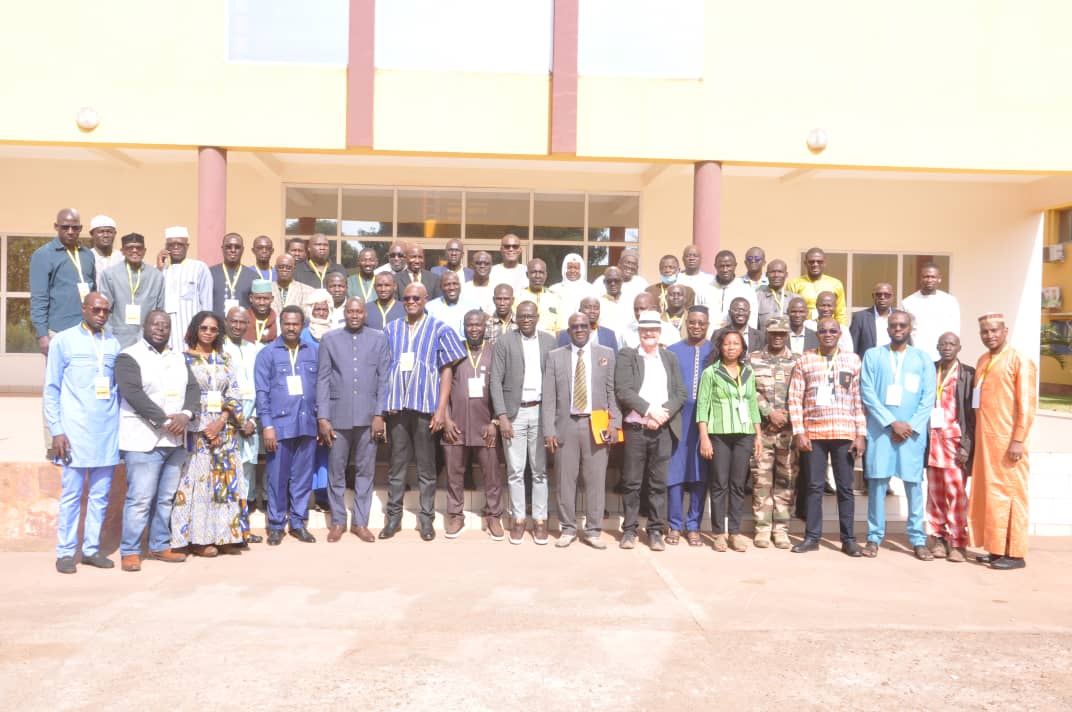
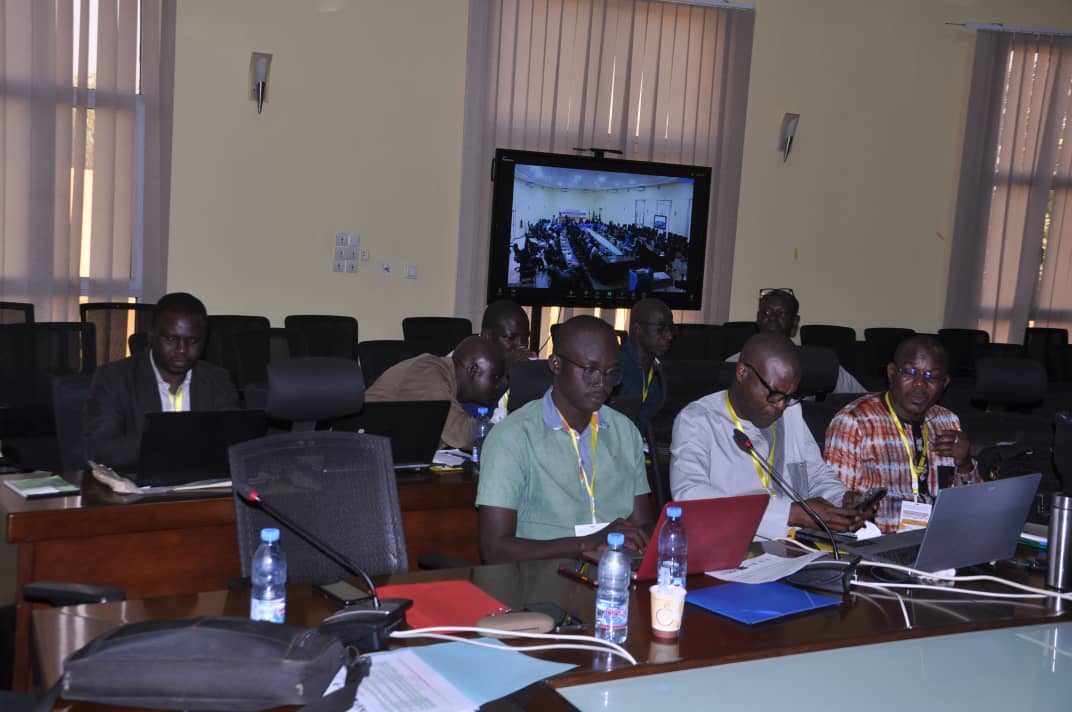
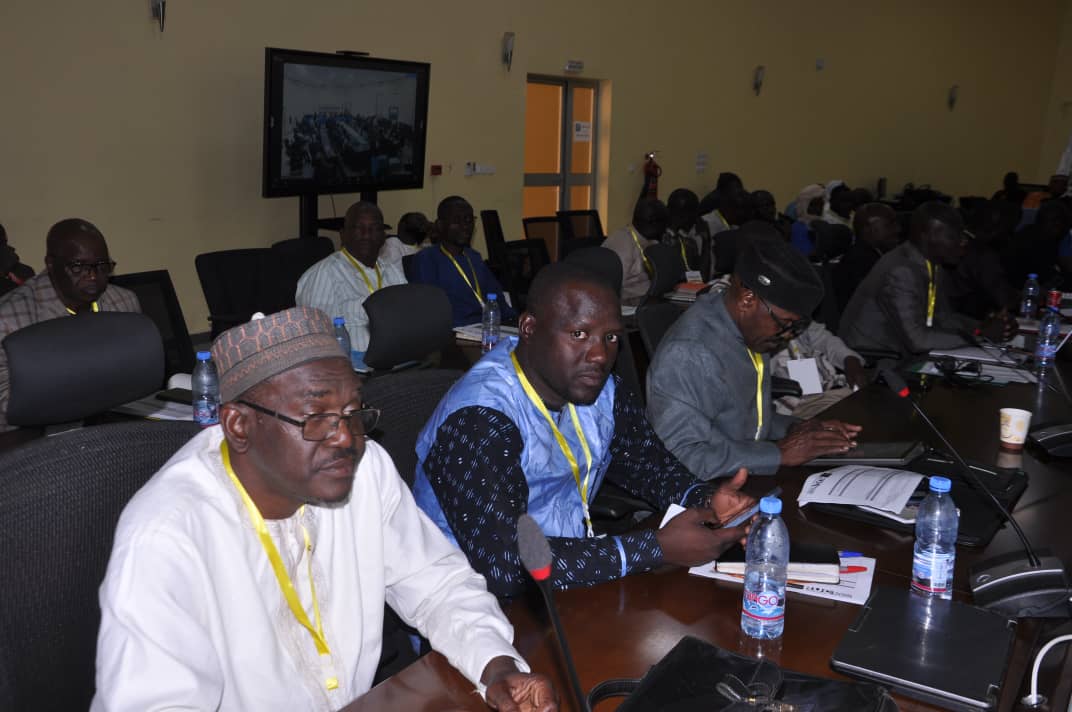
This two-day event brought together more than 50 doctoral students, academics, and practitioners from institutions in Mali, Cote d’Ivoire, and Burkina Faso. The first day was organised around project presentations that reflected the diversity of research interests and methodological challenges in our contexts.
Some of the presentations included:
- Group 1: Dr Esther Konsimbo, Mr Ismael Compaore, and Mr Bourahima Konkobo on media influence among young people and the differences in perception between urban and rural areas.
- Group 2: a presentation developed with Professor Heidi Bojsen and Mr Souleymane Lamine on complex relations between former colonial powers and their former colonies in West Africa, with a focus on influential X users in Burkina Faso, Mali, and Niger.
- Group 3: Dr Amado Kabore and Dr Marcel Bagare on media and education in the Sahelian space.
- Group 4: a presentation with Mme Bintou Kone, Pr Rosa DeJorio, Pr Brema Ely Dicko, Dr Youssouf Karambe, and Dr Waliyu Karimu on the circulation of misinformation and the evolving role of influencers on social networks.
Each presentation was followed by lively discussion and constructive feedback from moderators and the audience.
Practical training sessions
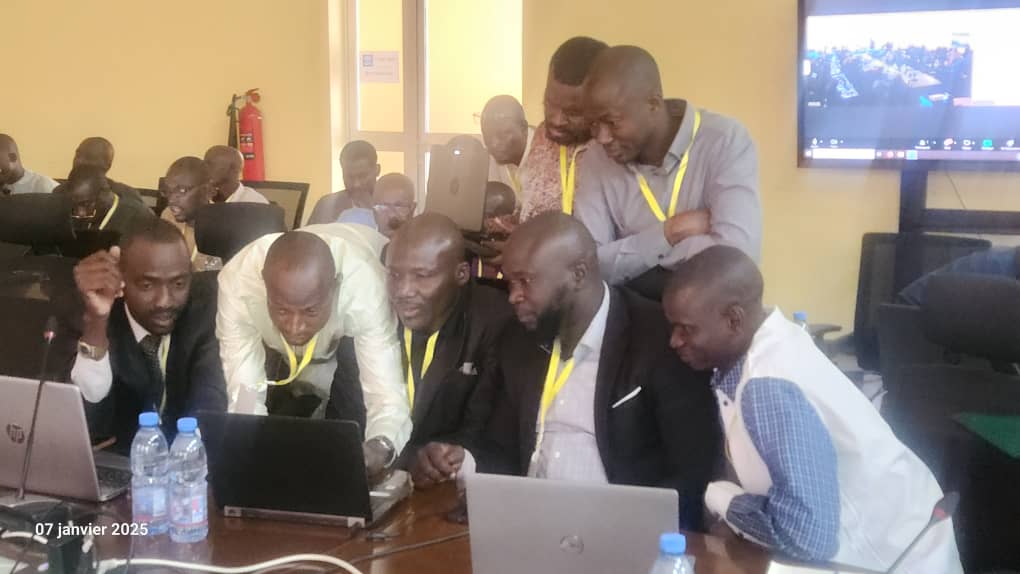
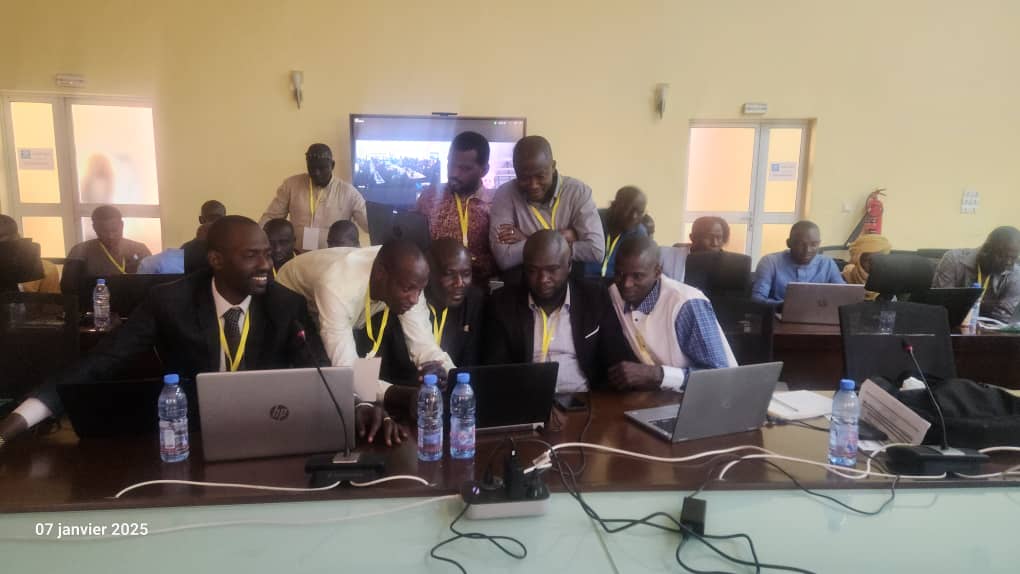
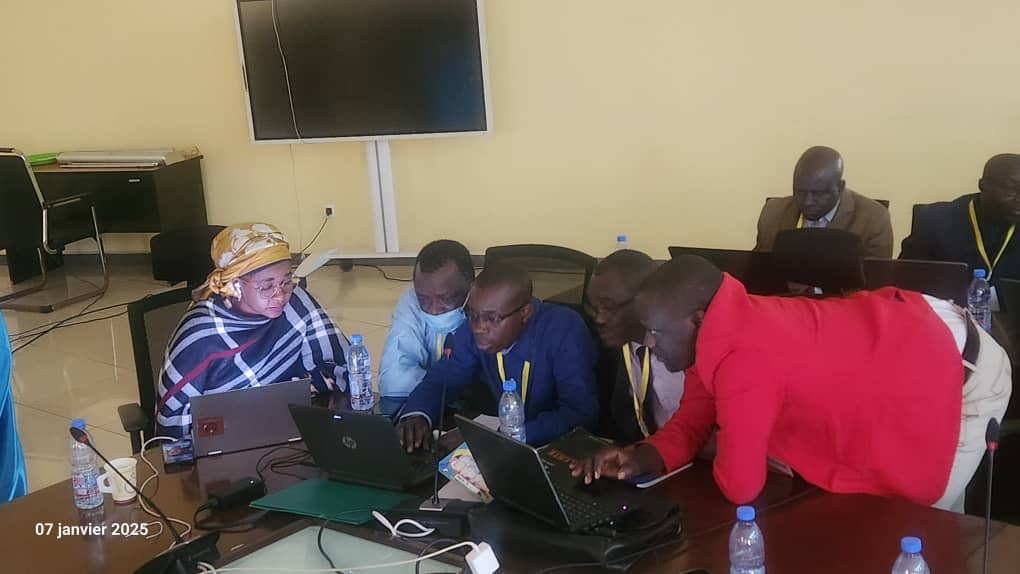
A major highlight of the workshop was the hands-on training based on my resource site. Participants worked through practical exercises with Zotero for reference management and Gephi for network analysis. The emphasis was on practice rather than theory alone, so that people left with usable skills they could directly reinvest in their own research workflows.
Overcoming challenges
As often happens in this kind of workshop, network issues complicated some sessions. Still, the team’s adaptability ensured those constraints did not undermine the overall experience.
Looking ahead
Facilitating this workshop was deeply rewarding. Building on what I learned in Ouagadougou, I refined the format for Bamako and was glad to see participants leave with new tools, methods, and questions of their own.
Workshops like this show the importance of knowledge-sharing platforms that connect research and practice in contexts shaped by security constraints and limited resources. I intend to continue developing this work and future collaborations with the network.