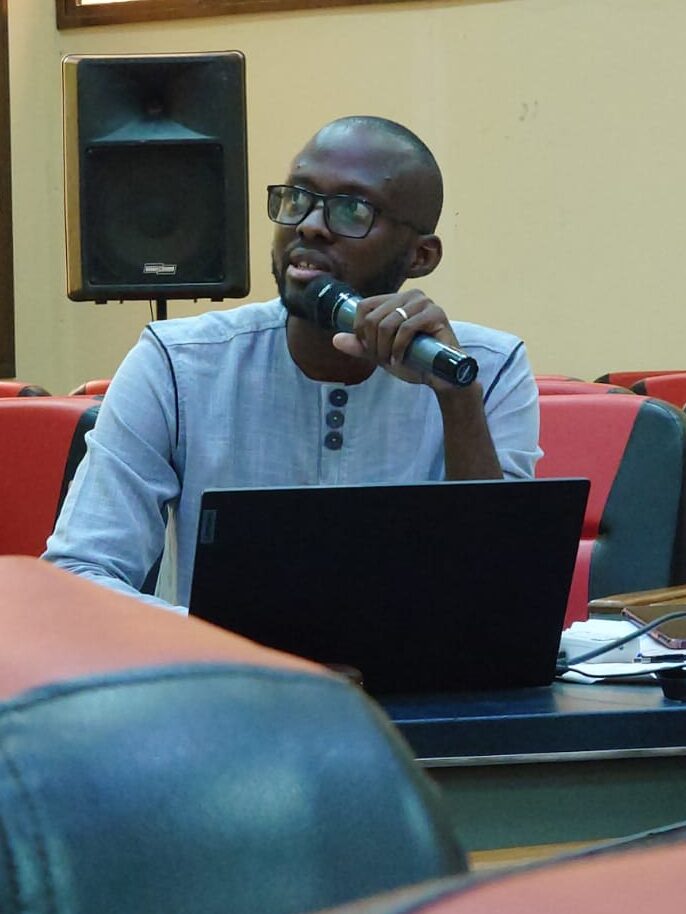
In the constantly evolving world of research, especially around data collection and analysis, it can be difficult for academics and researchers to keep up with advanced tools. That became especially clear during a recent international workshop, held from 24 to 26 October 2024, where I led a session on online data-production tools for insecure contexts. With participants coming from different backgrounds, the workshop aimed to introduce simple and accessible tools for data analysis, even to people with minimal technical experience.
The preliminary survey I conducted among participants showed clearly that, although familiarity with advanced tools was limited, motivation to learn was very high. That shaped a session built around clarity, accessibility, and practical use, so that each participant would leave with tools they could continue to use beyond the workshop. In this post, I look back on the structure of the workshop, the tools we explored, the feedback we received, and the way these ideas may shape future sessions.
I was invited by the international network Media, security crises, and youth in West Africa. The network brings together professors from Burkina Faso, Denmark, Mali, Niger, Sweden, and the United States, along with the NGO International Media Support (IMS), based in Denmark.
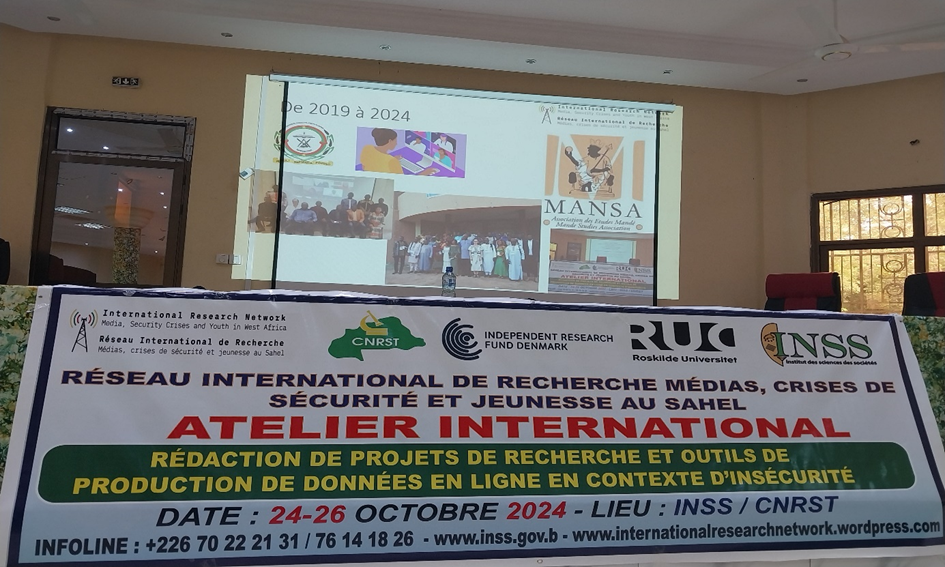
Preparation and invitation
The months and weeks leading up to the workshop were filled with careful preparation. I spent time designing training materials that were both engaging and informative. But first, a few words about how it began.
In May 2024, while I was heavily involved in preparing the MANSA 2024 conference, I received an unexpected proposal. Professor Heidi Bojsen, who coordinates the network, invited me to contribute as a trainer for an international workshop on research-project writing and online data-production tools in unsecured contexts. Professor Lassane Yameogo also took part in those early discussions.
After the successful completion of MANSA, I finally had the space to focus properly on the workshop. We resumed contact, received ideas and needs from participants, and I started designing the content so that it would respond to the actual realities of the people attending.
As preparation progressed, I realized I wanted to go beyond a one-off training session. The goal became clear: to create something that would continue serving participants even after the workshop ended. That is how the idea of a documentation website took shape, as a resource participants could revisit while putting what they had learned into practice. The committee welcomed the idea, which strengthened my determination to build a solid, accessible, and durable resource.
I also ran a pre-workshop survey to assess participants’ level. The results showed limited familiarity with advanced data-analysis tools, programming, and statistics, but a strong willingness to gain practical skills. Most respondents had little exposure to tools beyond software such as SPSS, NVivo, or R. Twelve participants reported no programming knowledge at all, and none described themselves as intermediate or advanced. The same pattern appeared for tools such as Orange Data Mining, Gephi, and Voyant: twelve participants did not know them, and only two had minimal exposure.
My objective was therefore to create content that would speak to a diverse audience with different levels of experience and different research backgrounds. I collaborated with colleagues on the organizing committee to design interactive sessions, case studies, a supporting documentation site (</resources/>), and presentations that would make the learning experience more effective.
The workshop
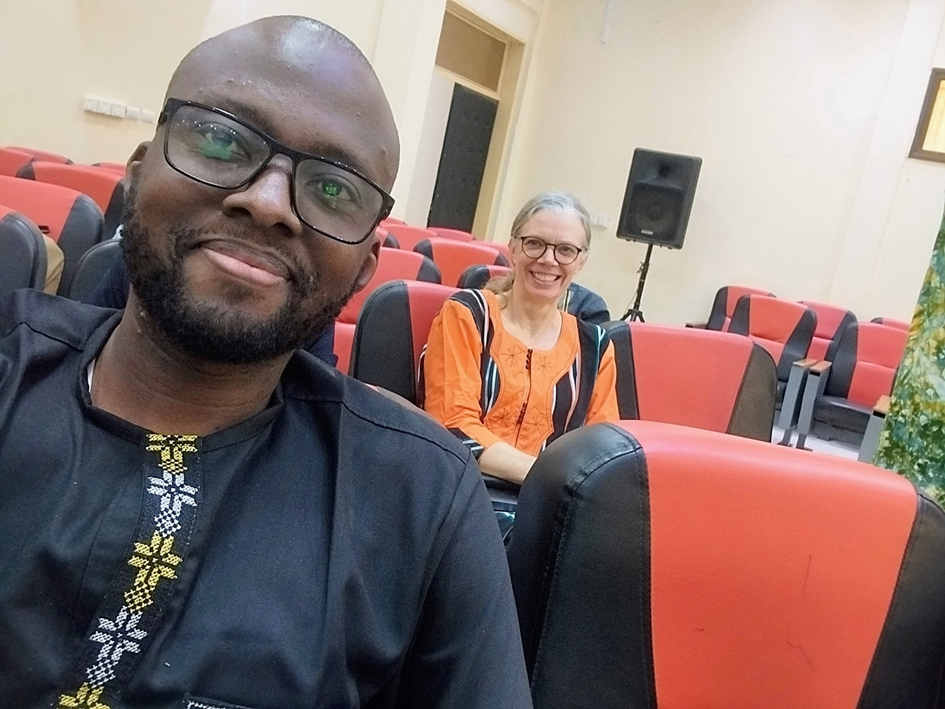
When we arrived in Ouagadougou, we were welcomed warmly by the organizers. I traveled with four participants from Bamako: Professor Brema Ely Dicko, Dr Youssouf Karembe, Mr Aly Maiga, and Professor Sten Hagberg. The workshop took place in the conference room of the National Institute of Social Sciences of Burkina Faso.
Over two days, professionals and academics from different countries gathered to exchange ideas and perspectives. My sessions focused on the use of digital tools for text exploration, and I was pleased to see a high level of engagement throughout. We approached the topic through practical activities so that participants could apply concepts in real time. Of course, learning text-mining methods is demanding, but this first exposure offered a solid starting point.
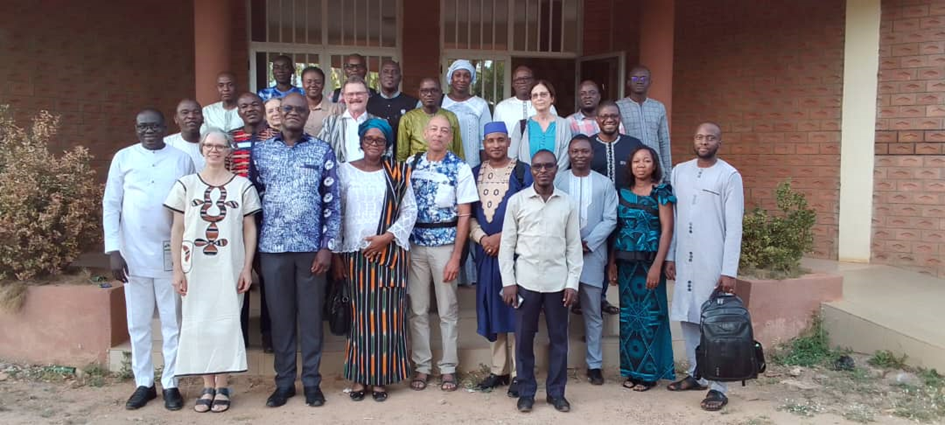
I guided participants through techniques adapted to volatile contexts, highlighting accessible tools designed to make data collection safer and more effective for researchers without coding skills. We began with a presentation connecting social sciences, machine learning, deep learning, and text analysis, in order to explain some of the underlying mechanisms behind these tools.
The session then moved into online data-collection tools, with a focus on software such as HTTrack for website scraping and Octoparse for automated collection on digital platforms. These no-code tools make it possible to obtain data while reducing the risks associated with travel in dangerous areas.
I also introduced API-based collection methods, especially options that do not require programming. That approach was particularly valuable for participants working in the social sciences, because it let them explore new methods without a heavy technical barrier. We continued with practical exercises and demonstrations using Voyant Tools and Orange Data Mining, and we simulated data-acquisition scenarios involving Google Scholar and the paid version of Twitter (X).
Satisfaction survey
The post-training survey showed overall positive satisfaction, with an average rating of 4.3 out of 5 for the general assessment of the training, while also highlighting some meaningful suggestions for improvement. Most respondents said they were “very satisfied,” and four participants reported that the workshop fully met their expectations. Three felt that their expectations had only been partially met, and one participant said the training had not met expectations.
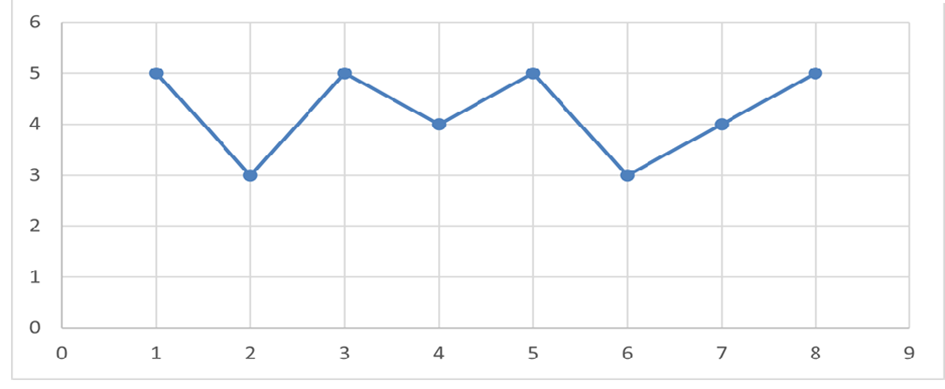
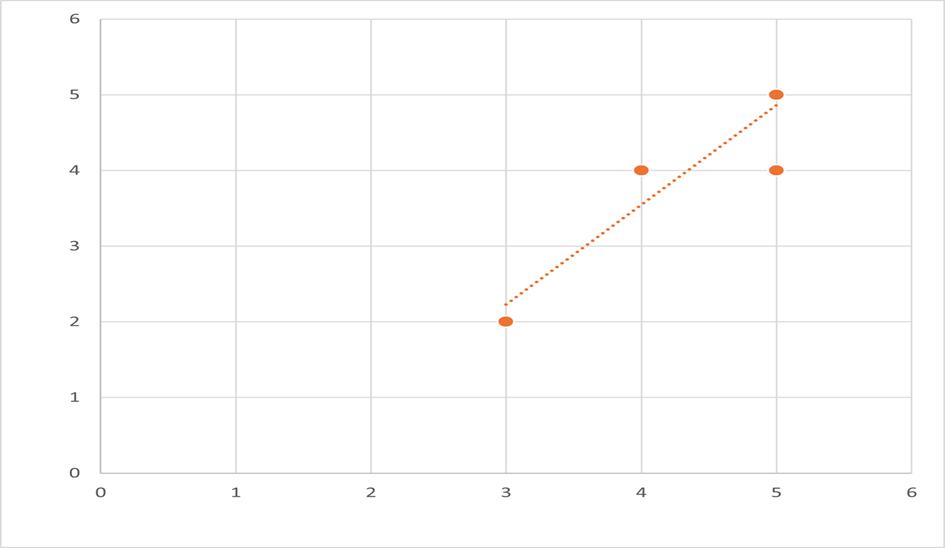
Clarity of explanation received a solid average rating of 3.9 out of 5, although some participants suggested making technical language more accessible for beginners. The teaching methods, including websites, exercises, and demonstrations, were considered moderately effective by six participants and very effective by two. The figure below illustrates a strong relationship between clarity and overall satisfaction with the course content.
Discovering Ouagadougou
Despite a busy schedule, I wanted to discover some of Ouagadougou’s cultural richness. I visited the Thomas Sankara museum in Burkina Faso, where I learned more about the country’s revolutionary period under Captain Sankara.
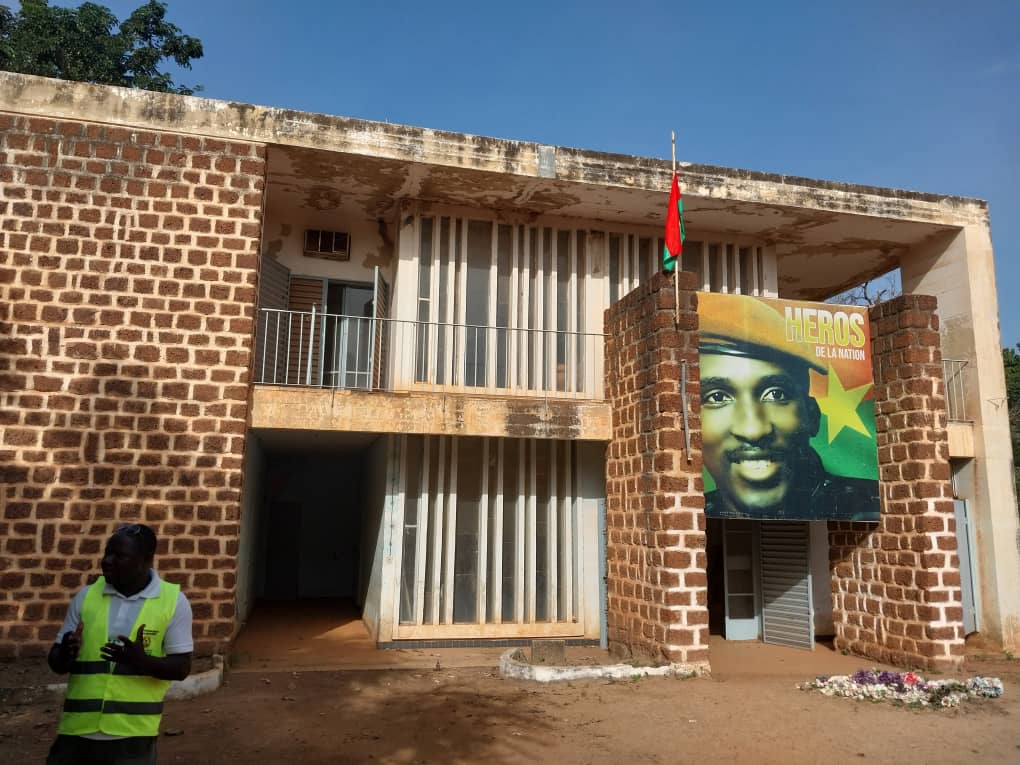
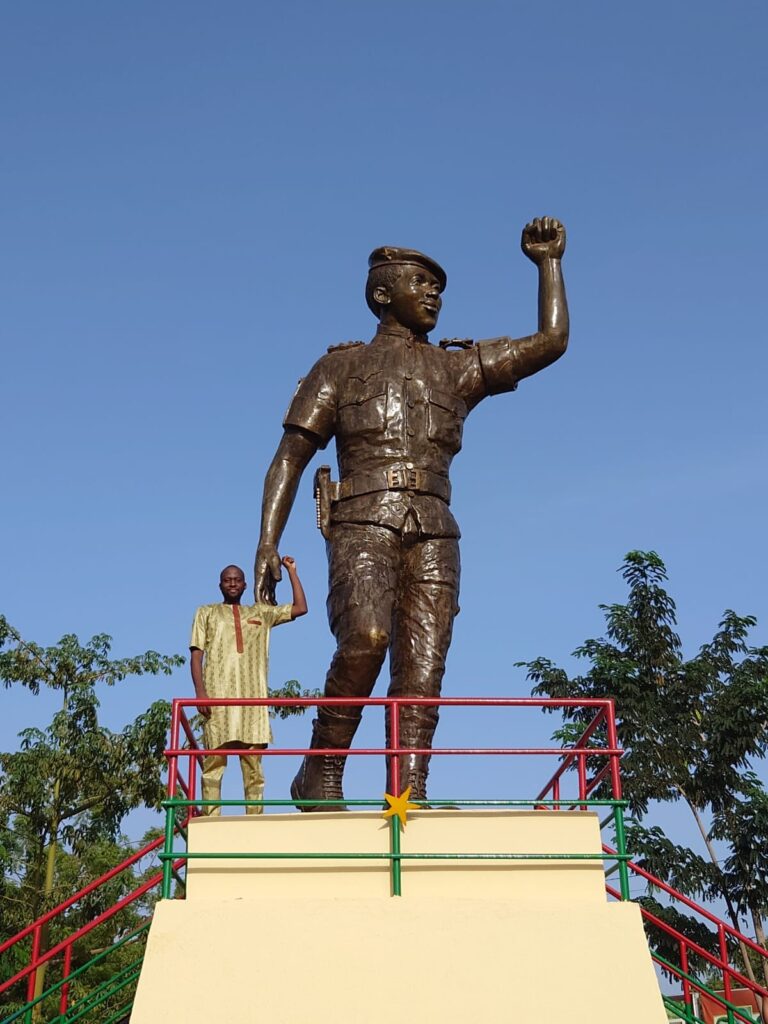
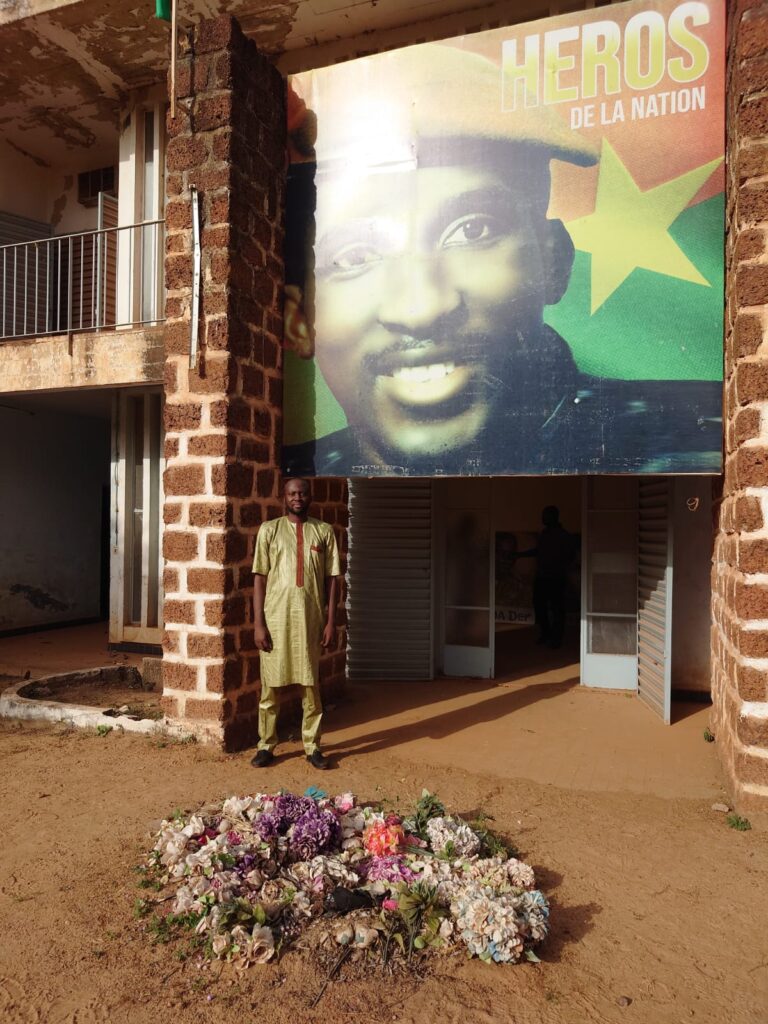
Walking through the city, I also visited the SIAO (International Craft Fair of Ouagadougou) 2024, with its hundreds of stands. It was also an opportunity to buy a few gifts for home.
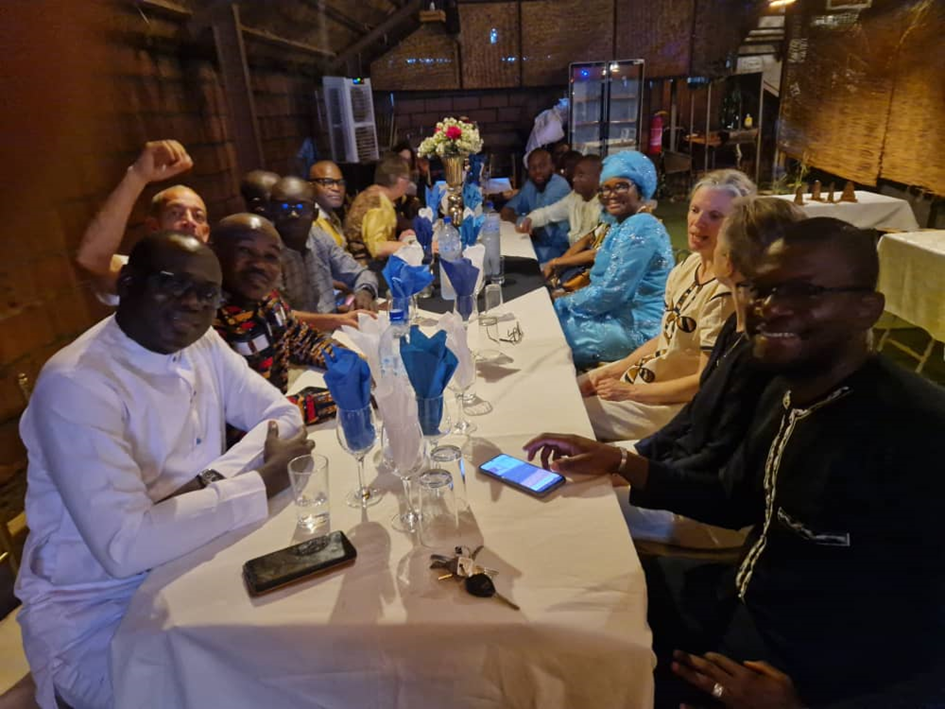
In the evenings, I enjoyed talking with other workshop participants at the hotel. Those conversations helped me better understand their perspectives and build more durable connections.
Reflections and return to Bamako
At the end of the workshop, I felt a strong sense of accomplishment. The event was a success, not only in professional terms, but also in terms of international exchange and solidarity. The knowledge gained and the relationships formed are things I will carry with me.
Back in Bamako, I took time to reflect on the experience. The opportunity to contribute as a trainer helped me sharpen my own skills and gain new perspectives. I remain grateful to Professor Heidi Bojsen for the invitation and to all the participants who made the workshop such a meaningful experience.
I look forward to future opportunities to continue these conversations and to put the knowledge and experience gained here to work in ways that create positive change in our field.