In May, I led a third-party monitoring (TPM) mission from Bamako to Mopti and onward by road toward the Koro area, passing through Bandiagara and Bankass.
Choosing to travel by road was not a trivial decision. Access was uncertain, information shifted quickly, and the route itself demanded caution. But independent verification requires presence.
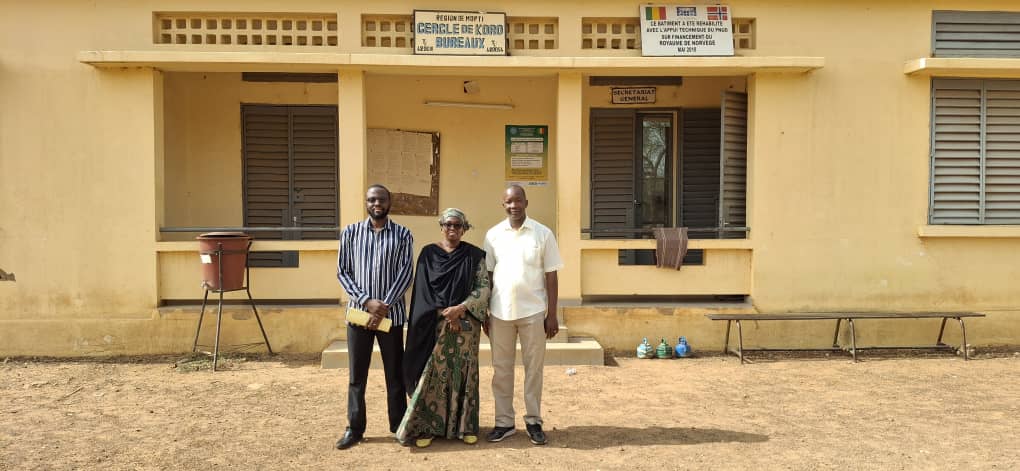
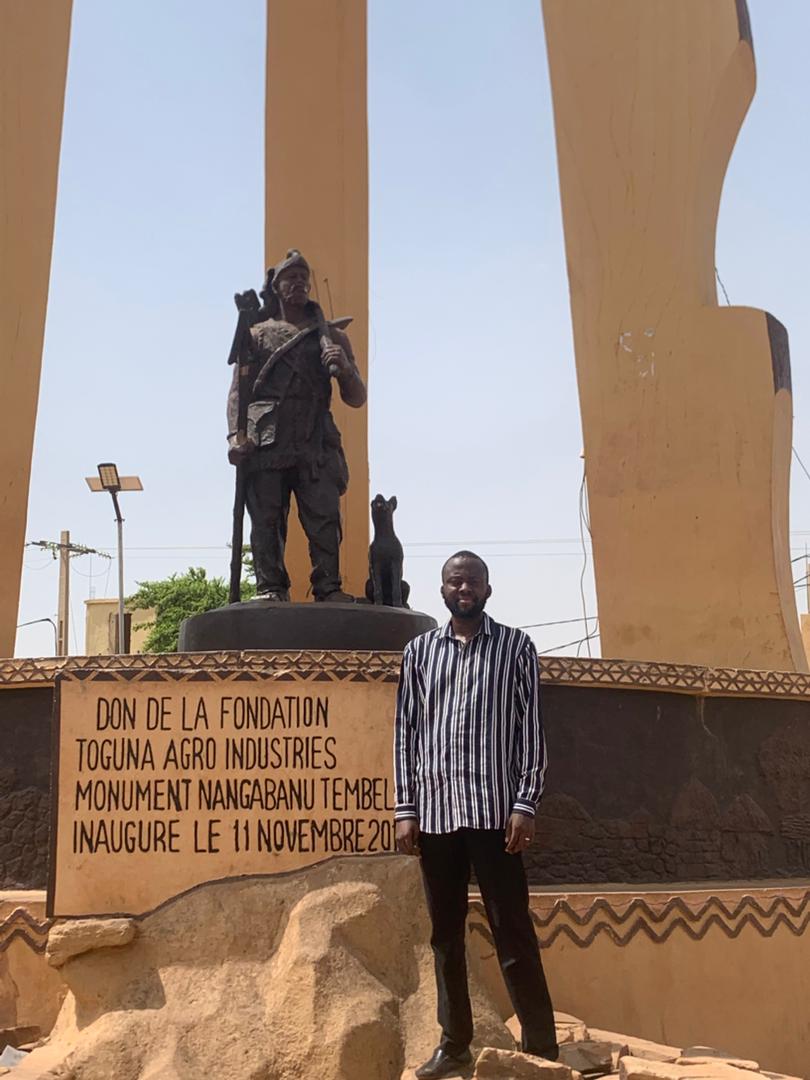
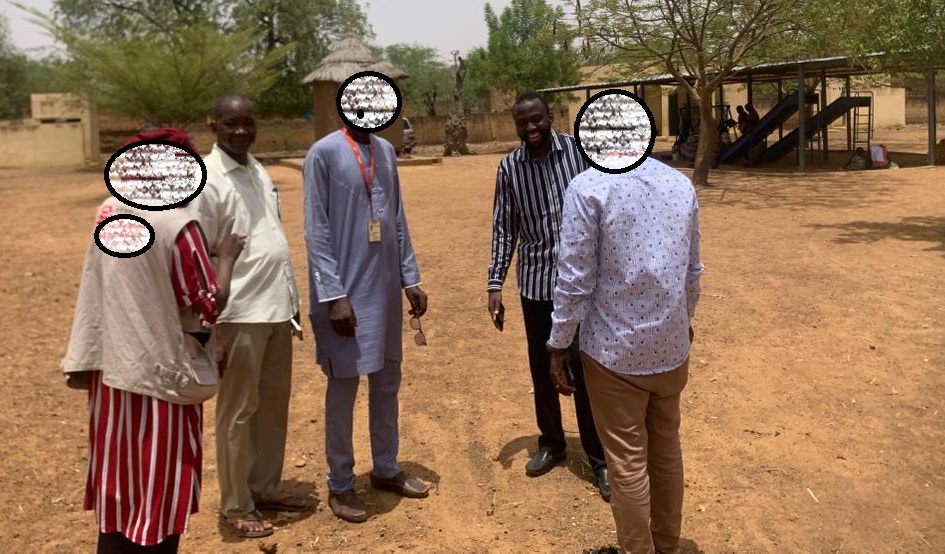
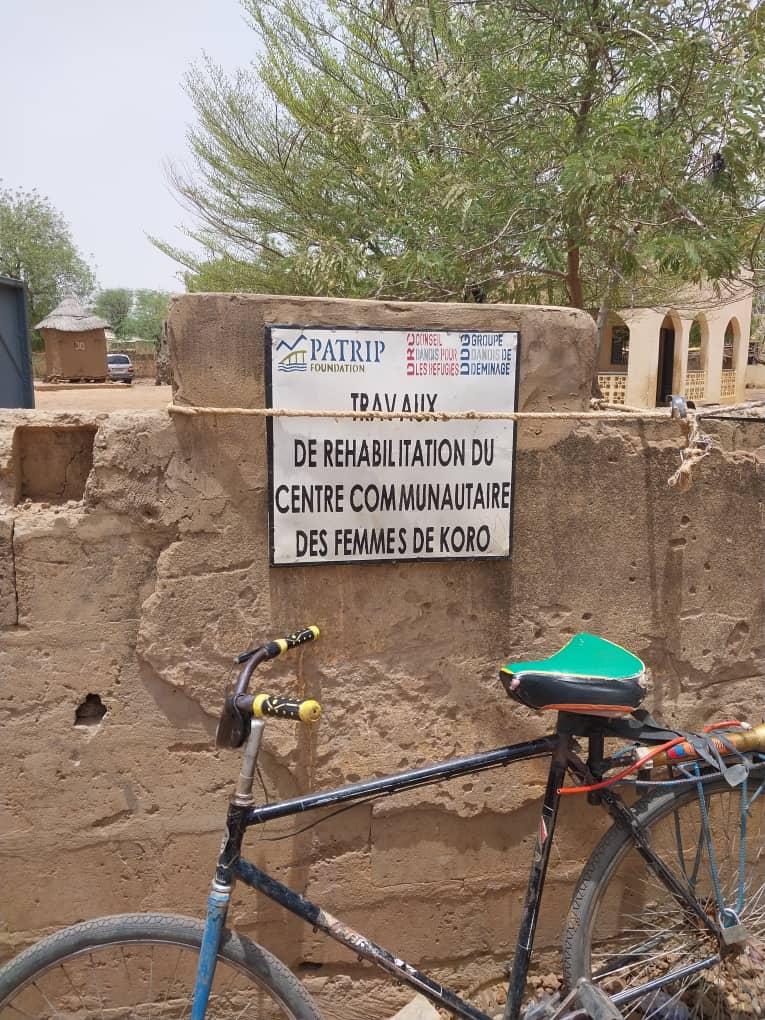
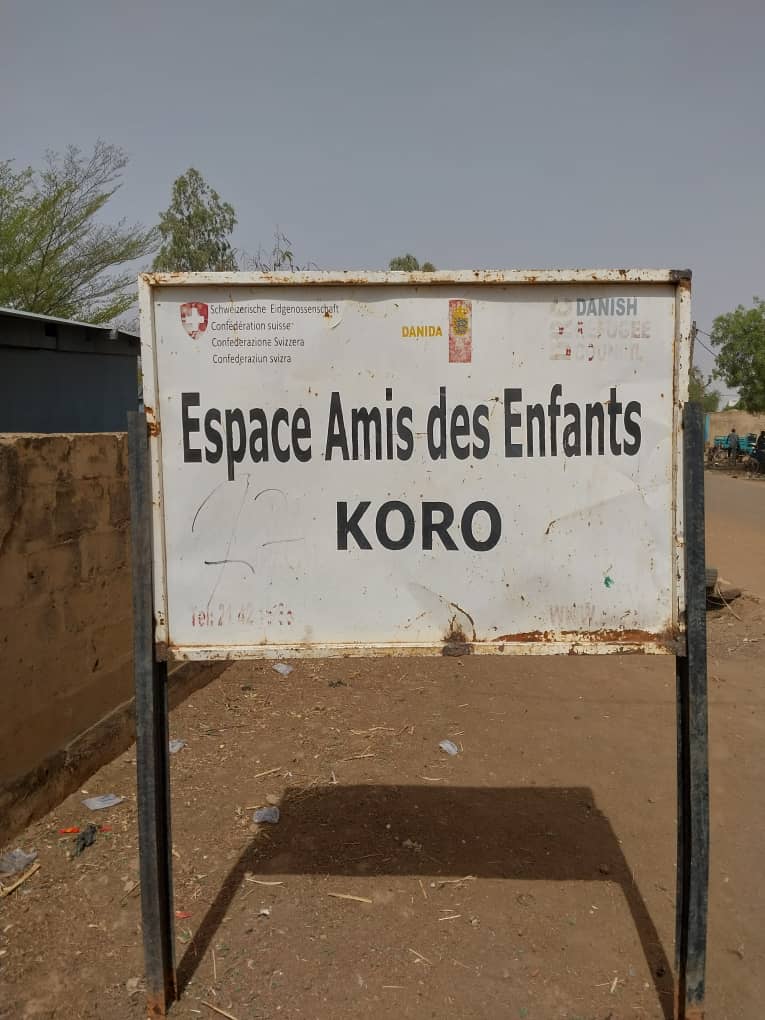
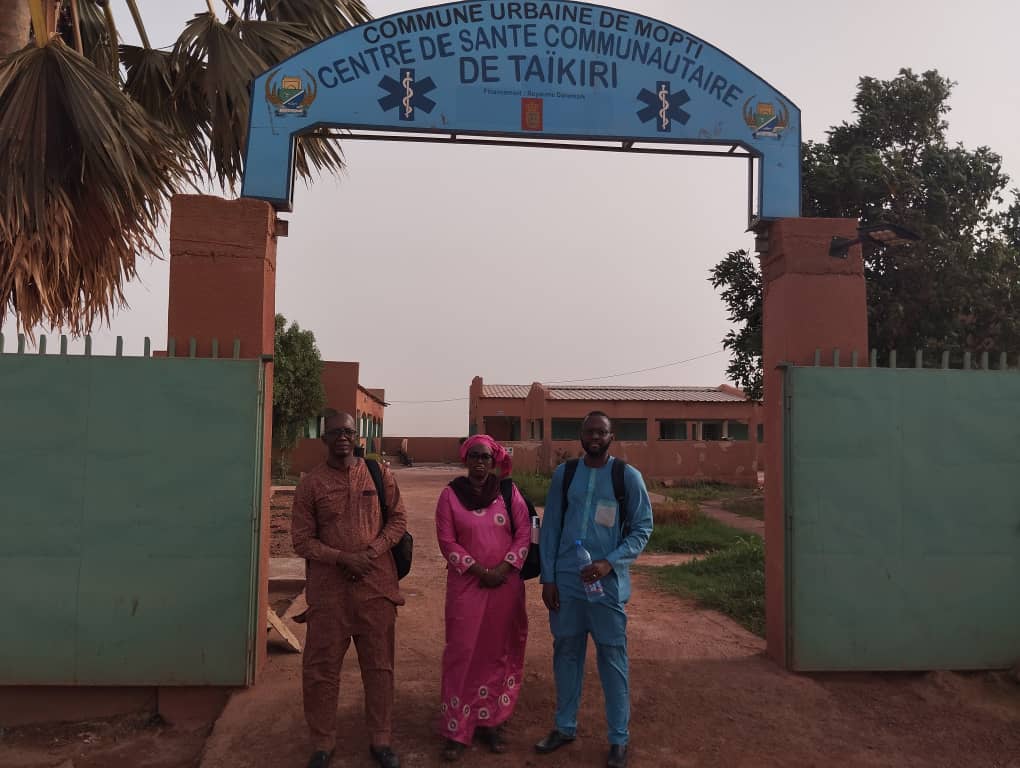
On the ground, we listened more than we spoke. Across community spaces and service points, similar realities kept emerging: displacement, disrupted livelihoods, heightened risks for women and children, and the quiet resilience of people who continue to support one another in difficult conditions.
As head of mission, I felt the weight of two responsibilities at once:
- the duty of care toward the team;
- and the duty of accuracy toward the people whose realities we were documenting.
Every note, image, and dataset had to protect identities while still conveying enough truth to inform decisions. We came back not only with evidence, but with practical recommendations on referral pathways, service gaps, and the need to adapt to a context that changes from day to day.